Worth a Read
Korea’s 5.5% Drop, Read as a Rotation — Not a Risk-Off
LoRosha reads the KOSPI’s Broadcom-driven plunge as a precise reallocation across AI supply-chain layers, not a wholesale exit from the trade.
Source: LoRosha’s Investment Desk (Substack) Read the original →
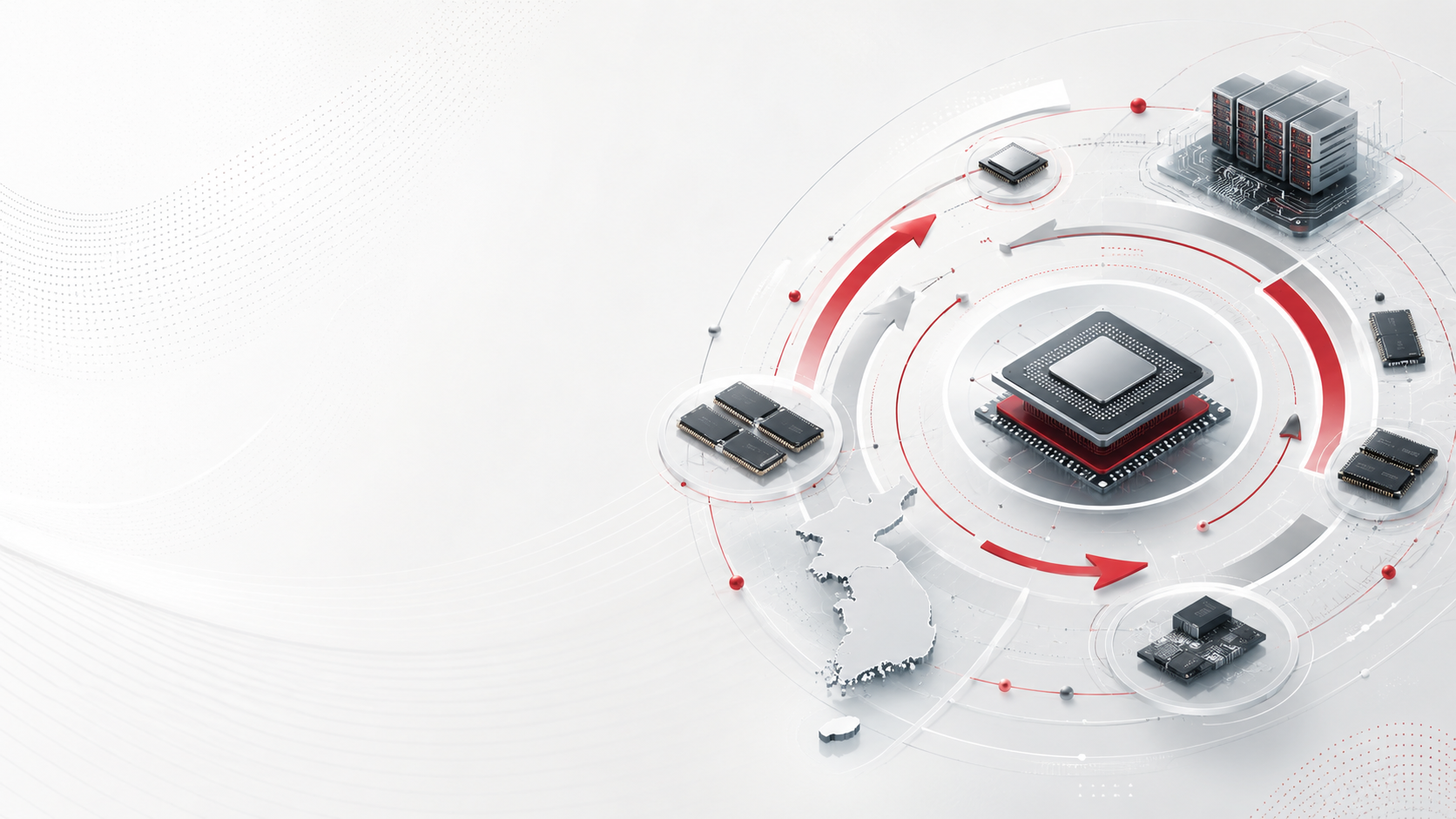
When Broadcom’s Q3 AI guidance came in light and its shares fell more than 12%, the KOSPI gapped down and lost 5.54% the next session — SK Hynix off nearly 10%, Samsung off more than 6%, with foreign investors doing the bulk of the selling (the electronics sector alone was about 90% of foreign outflows, capping a 20-session selling run). LoRosha’s argument is that the tape was more surgical than that index number suggests.
The desk points to several things happening at once. Foreign money sold the high-beta memory names in the cash market — but in the same session it bought KOSPI futures, rotated into banks, and inside the chip supply chain it shorted the battery- and commodity-equipment names while accumulating the HBM process-equipment names. The won fell to a multi-year low even as the dollar eased, which the desk reads as asset-specific selling rather than a broad macro dollar move.
The core idea Read together, those legs say capital was not fleeing AI — it was re-sorting within it: out of the names most exposed to the guidance miss, into the layer (HBM equipment) and the havens (banks, futures) it still wanted. A miss in one sub-line became a supply-chain reallocation, not a verdict on AI spend.
Where it fits
That layer-by-layer reading of the Asian session is the lens Closelooknet brings to the Money Temperature and the HBM/memory supply chain, and it pairs with our earlier note on the Korea memory-vs-equipment split. We read the desk for its structural map of the flows — not for the trades or subscription calls around it.
Update — July 10, 2026 The custom-silicon leg of this rotation got its concrete deal: on July 8 Broadcom rose almost five percent on a reported multiyear Apple partnership — around $30 billion — to expand US production of Apple’s custom-designed chips. The same story this piece framed as a threat to merchant silicon showed its other face: someone has to design and build that silicon, and the toll went to Broadcom.
Worth a Read points you to another writer’s published work; the synthesis above, and any errors in it, are Closelooknet’s, not the source’s. We read the structural map, not any trade call. Closelooknet publishes a market diary, not investment advice — circumstances differ; consult a licensed advisor before acting.